How movements shape style
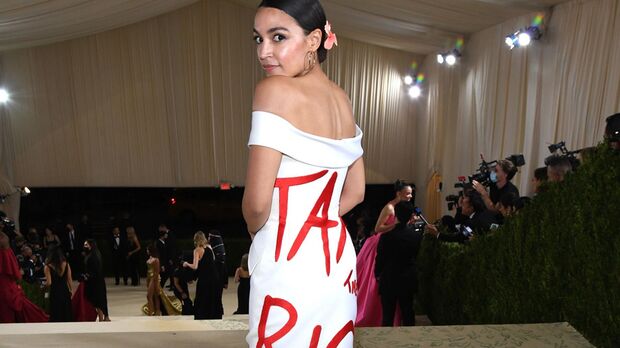
Fashion movements are more than changing silhouettes. They reflect shifts in politics, art, class, gender, and media, showing how women used dress to signal belonging, independence, modernity, or resistance. From the refined codes of haute couture to the freedom of bohemian dressing and the sharp confidence of power style, each movement leaves behind visual clues that continue to influence wardrobes today.
Key Themes
Three defining currents
These recurring fashion movements reveal how women’s style evolves through culture, creativity, and public life.


Context
From subculture to mainstream
Some of the most influential fashion movements begin at the edges of culture before entering the mainstream. Street style, music scenes, youth rebellion, and artistic communities often introduce silhouettes and styling codes that challenge accepted norms. Once adopted by magazines, designers, and celebrities, those same ideas can become widely recognizable trends.
Women have often stood at the center of this transformation. Their public images, personal wardrobes, and cultural visibility help translate a movement into something aspirational and memorable. Whether through understated refinement or bold experimentation, influential women make fashion history legible to a wider audience.
Fashion movements endure because they connect clothing to a bigger story about how women are seen and how they choose to present themselves.
Editorial Perspective
Reading movements through this lens reveals fashion as both visual culture and social record. It helps explain why certain looks return, why others fade, and why the most resonant styles continue to inspire designers, editors, students, and everyday dressers alike.
What to notice
How to read a movement
Look beyond the outfit itself and study the signals that give a movement meaning across time.
Silhouette and proportion
Notice whether the body is shaped, softened, elongated, armored, or set free. Proportion often reveals the movement’s core attitude.
Materials and styling
Fabrics, accessories, hair, and image-making complete the story. Editorial presentation can be just as important as the garment.