Fashion History
How design influence shapes style
Design influence reveals how silhouette, fabric, detail, and cultural context move from atelier ideas into everyday style. This page explores how influential women helped translate runway concepts, historic references, and artistic movements into lasting fashion language.
Three ways influence travels
Fashion design rarely moves in a straight line. It is shaped by the women who wear it, reinterpret it, and connect it to wider conversations about identity, status, modernity, and self-expression.
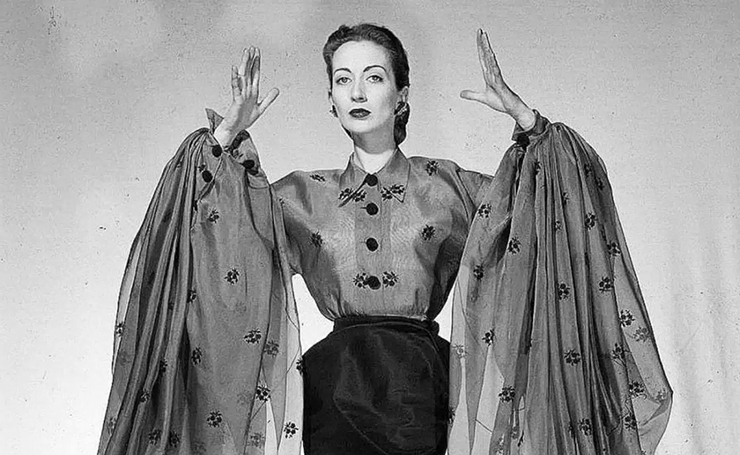
Silhouette
Form becomes a signature
Distinctive lines such as narrow waists, relaxed tailoring, column dressing, or dramatic volume often become associated with influential women who wear them repeatedly and publicly.
Material
Fabric changes meaning
Textiles, embellishment, and finish can shift a look from ceremonial to practical, from elite to accessible, or from archival reference to contemporary statement.
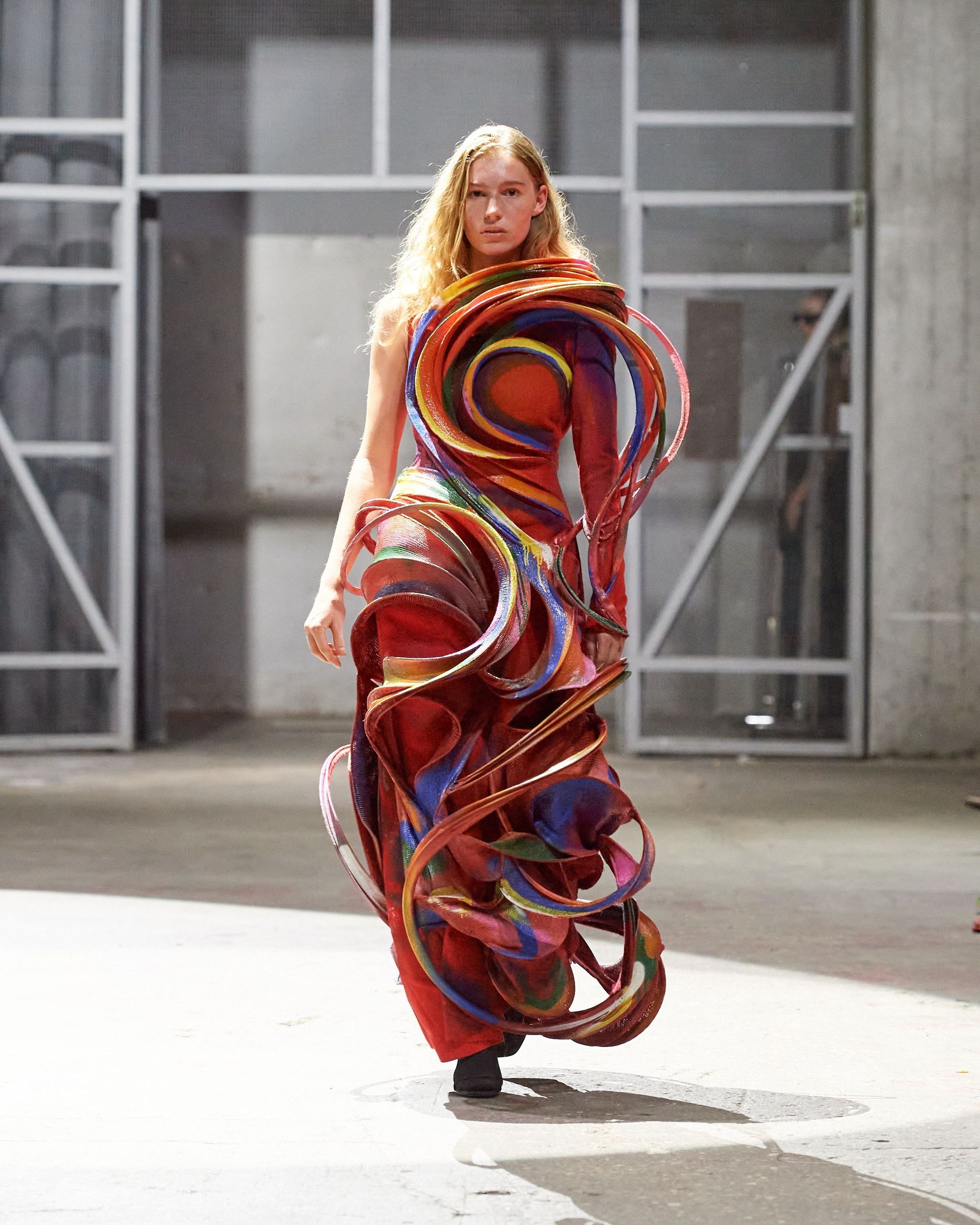

Culture
Context gives clothes power
Design influence grows when clothing intersects with film, politics, royalty, music, publishing, and social change. The women at the center of those moments help define what a look comes to mean.
Editorial Lens
Reading influence beyond trends
Looking at design influence means asking why certain looks endure. Some garments survive because of technical innovation, while others remain relevant because a public figure, performer, editor, or royal gave them emotional and cultural resonance.
On this site, design influence is treated as both visual and historical evidence: a way to trace how women helped shape taste, frame aspiration, and turn clothing into a record of changing values.