
Fashion History
The eras that shaped women’s style
Dive into the eras, movements, and cultural shifts that defined women’s fashion across time. From silhouette changes to social influence, this page traces how style evolved and why it still matters.
How fashion history unfolds
Fashion history is more than a timeline of garments. It reflects changing ideals of beauty, freedom, status, work, and identity across generations.
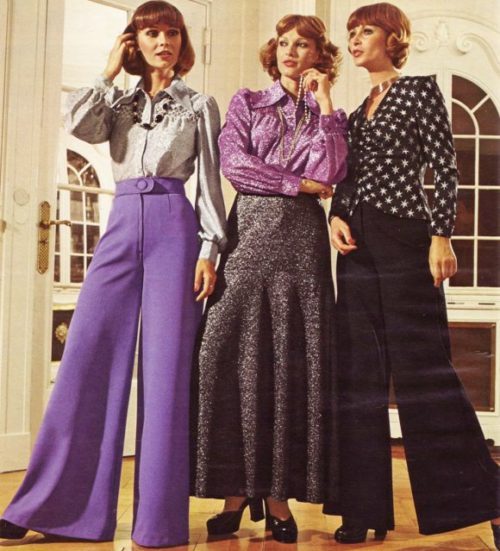
Decades
Style by era
Each decade introduced distinct silhouettes, fabrics, and attitudes. From the polished lines of the 1950s to the experimentation of the 1970s and the power dressing of the 1980s, women’s fashion reveals how culture moves.
Movements
Ideas behind the look
Fashion movements often begin with a shift in values. Modernism, youth culture, feminism, and global media all influenced what women wore and how style communicated confidence, rebellion, elegance, or independence.

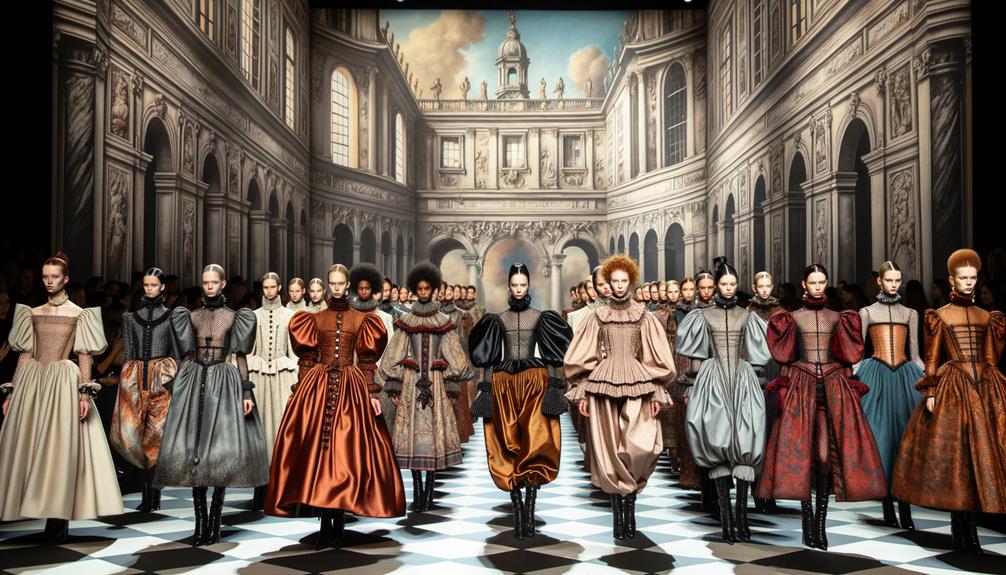
Influence
Design that lasts
Historic looks continue to inspire editors, designers, and everyday dressers. Details such as tailoring, drape, embellishment, and proportion are constantly reinterpreted for new audiences while preserving the spirit of earlier eras.
Why history matters
Understanding fashion history helps readers connect clothing to biography, art, politics, and popular culture. It also sharpens the eye for recurring themes, showing how influential women transformed personal style into lasting visual language.